Extracting Genius: Why Fashion Can't Preserve What It Takes from Black Culture
I've spent half my life working in fashion. Almost anything you can imagine, I've probably done it, from retail to styling and PR to journalism and copywriting. But I didn't choose the industry; I fell into it. That's why I've never felt the need to be performative. Fashion offers a space for everyone, and it showed me that you don't always need to have the loudest physical presence to make the biggest statement. Alexander McQueen's creations weren't only ethereal; they were historical artifacts, yet, by all accounts, McQueen himself had the most unassuming presence. That's been the case for most of the iconic figures I've met in fashion. Despite the performative nature of fashion influencers, PRs, and street-style blogs, the most powerful people in the industry are often the most understated. When I started in fashion journalism, many people didn't take my aspiration seriously. In their minds, fashion wasn't "real" journalism, but publications like Business of Fashion and Vogue Business have proven that I made the right choice.
I've spent the last few years getting a formal education. Given my tenure, people often question my decision to pursue a degree at this stage of my career. But what they don't understand is that this is a critical step in my development. I'm getting my master's in fashion marketing from the London College of Fashion to cement my years of experience. It's also human nature to want to evolve, which is where I'm at right now. I've graduated from surface-level writing to something that dissects, dismantles, scrapes, and scrutinizes how fashion sits within Black culture, Black music, and Black literature. As I gain that deeper understanding of fashion, I'm reading Roland Barthes' The Language of Fashion and The Fashion System, which I wouldn't have known about had it not been for AI. Yes, AI recommended the works of a French essayist and critical theorist to me. And it's just what I needed to start articulating the distances I've always longed to go within the fashion space. The tool identified Barthes' work when I described wanting to move toward cultural critique. Barthes' premise that fashion functions as a language of signs rather than just as objects has given me the frameworks I've been craving. It's the desire to move up Maslow's Hierarchy of Needs, seek self-actualization, and deepen my intellectual understanding of fashion.
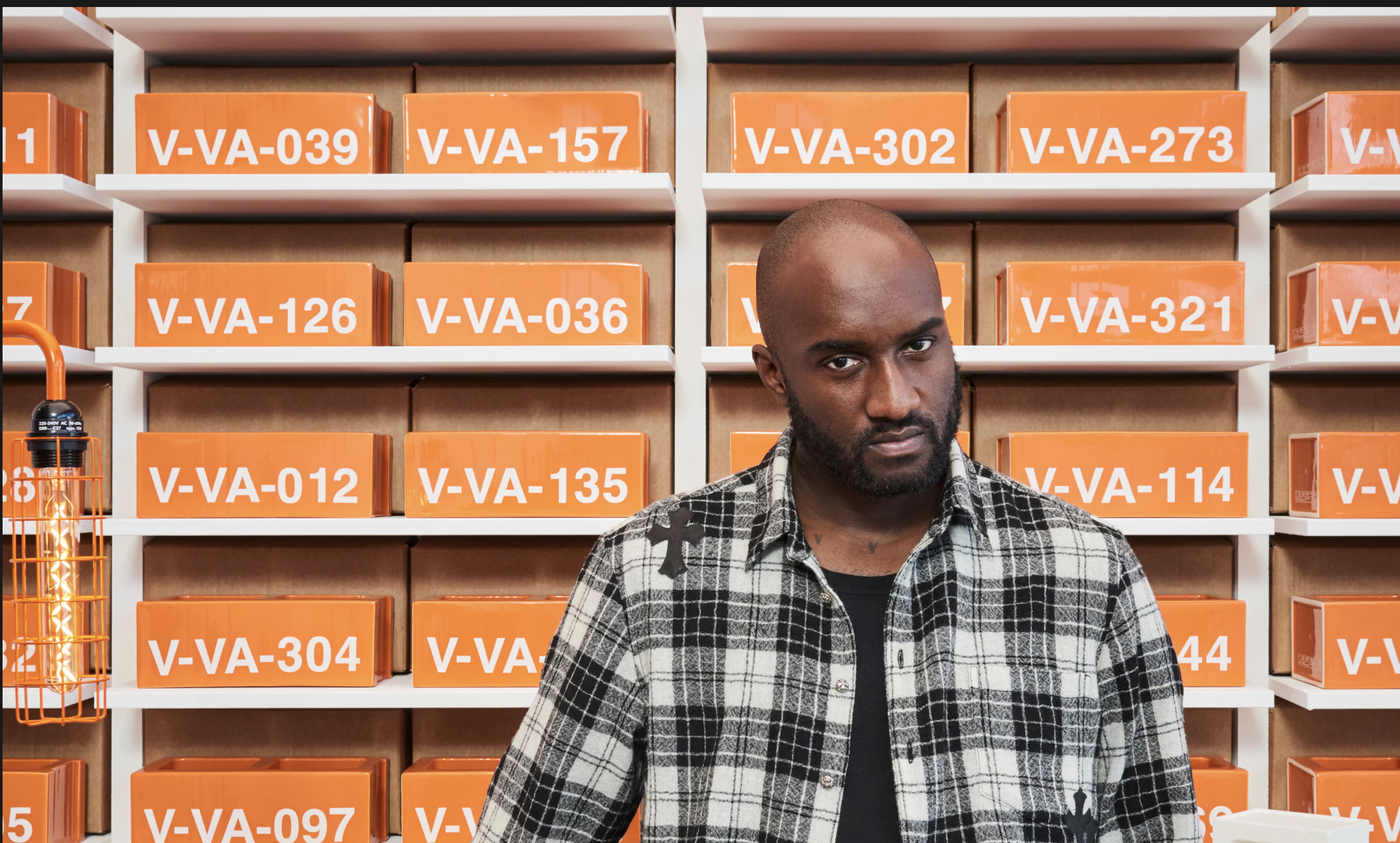
There's also the socio-economic side of fashion and its relationship with Black America, which is why I'm moving there. Yes, despite the volatile climate, the doors to the land of opportunity have opened, signaling that I need to discover something deeper. This connects to my early years, when VIBE, XXL, and American Vogue shaped my career aspirations. It's also the realization that Black cultural capital, in America, is the most influential in the world of fashion, yet Black Americans experience the most capital theft. From uncredited design inspiration to systematic exclusion from leadership roles at the houses and brands they influence, the pattern is clear. As a multicultural Black woman who has spent many years within fashion's homogeneous institution, I want to explore the part of the diaspora with the greatest global influence: Black Americans. And I think it's warranted. Two things can be true at the same time: as several industries, including fashion, embrace Black culture, the diaspora, particularly Black Americans, are becoming more disenfranchised. Brands extract billions from the influences that came from Black communities while systematically excluding Black Americans from ownership and decision-making. Take, for instance, Virgil Abloh. He did create his own legacy, but he still needs very white, very corporate structures. Virgil tried to democratize fashion, but his legacy, as painful as it is to say, was ultimately symbolic: meaningful representation that didn't translate into structural change for Black ownership in luxury fashion.
Virgil Abloh, one of the most celebrated figures in fashion, who reached the pinnacle of the industry as Louis Vuitton's first Black artistic director, overseeing menswear collections, left behind a poignant legacy that is clouded in uncertainty. Abloh has been immortalized in the minds of younger generations as the arbiter of cool and a distinct cultural prototype for young Black kids who want to leave their mark in rigid institutions. Despite all his achievements, Off-White now lacks the presence that once made it so influential. The brand should be able to sustain long after the creator has died, yet in the five or so years since Abloh's death, even under Ib Kamara's creative direction, Off-White's recent collection seemed directionless. It hasn't fallen off yet, but it's missing the cultural vibrancy that made it a fixation. Off-White's current positioning leads me to believe that the industry knew how to extract Abloh's genius but not how to preserve what he built. This is what I'm unpacking in my thesis.